



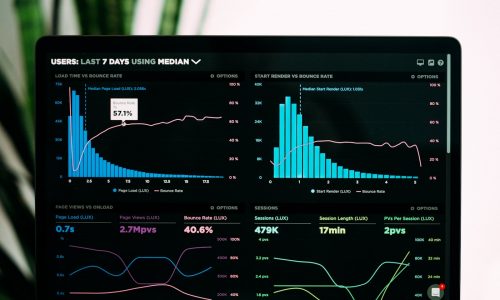
SEO management reporting tools are no longer optional — they are the control panel for every serious organic growth programme. When dashboards are designed around business outcomes, marketing leaders can defend budgets, prioritise fixes, and prove ROI with confidence.
Why SEO reporting defines modern marketing success
Search drives high-intent discovery across B2B and B2C journeys. Without structured reporting, teams chase rankings that never convert or publish content that never gets indexed. The right tooling connects technical health, content performance, and revenue signals in one narrative executives understand.
Leading organisations review leading indicators weekly (crawl errors, indexation, page experience) and lagging outcomes monthly (qualified leads, assisted conversions, customer acquisition cost from organic). That rhythm prevents surprises and keeps SEO aligned with sales targets.
Core metrics every SEO dashboard should include
Visibility: non-branded impressions, average position for money keywords, share of voice vs top competitors.
Engagement: organic sessions, scroll depth on key landing pages, internal link paths toward conversion.
Technical health: Core Web Vitals, mobile usability, structured data coverage, 4xx/5xx trends.
Commercial impact: goal completions, pipeline influenced by organic, revenue where attribution allows.
Segment reports by market, product line, and funnel stage. A single aggregate chart hides opportunities — and risks.
Choosing and configuring the right tools
Most teams combine Google Search Console, Google Analytics 4, a rank tracker, and a crawler such as Screaming Frog or Sitebulb. Enterprise programmes add log analysis and content intelligence platforms. The stack matters less than consistent definitions: agree on UTM rules, conversion events, and keyword groups before you automate.
Automate distribution. Scheduled exports to Slack or email keep stakeholders informed without manual slide decks. Annotate major releases and campaigns so traffic shifts are interpreted correctly.
Turning reports into action
Every report should end with three prioritised actions — owner, deadline, expected impact. Reporting without follow-through trains the organisation to ignore SEO. Pair insights with sprint planning: technical fixes, content refreshes, and link-earning initiatives pulled directly from the data.
Pastellco builds reporting frameworks tailored to Turkish and international markets — so your team spends less time exporting spreadsheets and more time improving rankings that convert. Request a free SEO analysis to benchmark your current visibility.




No Comments